In the world of software development, testing plays a pivotal role in ensuring quality, functionality, and reliability. Among various testing stages, the first level of software testing is crucial as it sets the foundation for subsequent testing processes. This initial stage encompasses different approaches and techniques, each tailored to scrutinize the software from unique perspectives. This article delves into the first level of software testing from three standpoints: verification, white box testing, and black box testing, focusing on requirements review, unit testing, and system testing, respectively.
Verification Standpoint: The Role of Requirements Review

Verification, in the context of software testing, involves ensuring that the software product is being developed according to predefined requirements and specifications. At the first level of testing, verification is primarily achieved through a rigorous requirements review process. This stage is not about testing the software with code; instead, it’s about scrutinizing the requirements to ensure they are clear, complete, feasible, and testable.
Importance of Requirements Review
The requirements review process is pivotal for several reasons. Firstly, it helps in identifying ambiguities, inconsistencies, and gaps in the requirements at an early stage, thereby reducing the risk of costly revisions in later stages of software development. Secondly, a thorough review ensures that all stakeholders have a common understanding of the requirements, which is crucial for aligning the development process with the project’s objectives.
Techniques and Best Practices
Effective requirements review involves various techniques such as walkthroughs, inspections, and requirement validation meetings. Walkthroughs involve a systematic presentation of requirements documents to a team, followed by discussions to identify issues. Inspections are more formal and involve a detailed examination of requirements by a dedicated review team. Requirement validation meetings, on the other hand, bring together stakeholders to discuss and agree upon the requirements.
White Box Testing Standpoint: The Essence of Unit Testing
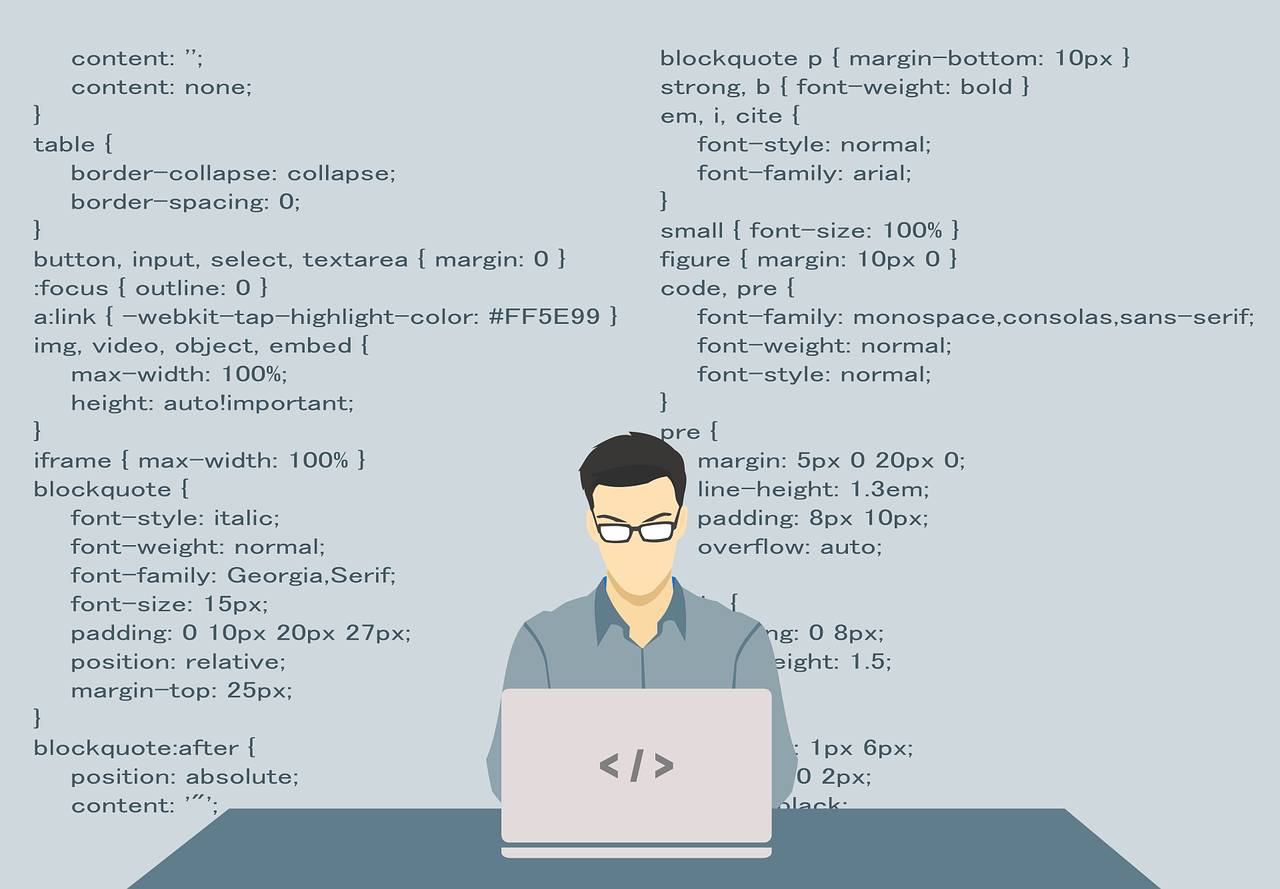
White box testing, also known as structural testing, looks inside the ‘box’ of the software to test the internal structures or workings of an application, as opposed to the functionality exposed to the end-user. At the first level, white box testing manifests as unit testing, which is fundamental in verifying the correctness of individual units or components of the software.
Understanding Unit Testing
Unit testing involves testing individual units or components of the software to ensure that each part functions as intended. A unit is the smallest testable part of any software and can be a function, method, procedure, module, or object in object-oriented programming languages.
Significance and Implementation
The primary aim of unit testing is to validate that each unit of the software performs as designed. This level of testing is crucial for identifying and fixing bugs early in the development lifecycle, which significantly contributes to the overall quality and reliability of the software. Unit tests are typically written and executed by developers as they write the code, ensuring that any issues are addressed immediately.
Tools and Frameworks
Various tools and frameworks facilitate unit testing, such as JUnit for Java, NUnit for .NET, and unittest for Python. These frameworks provide a structured way to create and run unit tests, offering features like test suites, test runners, and reporting mechanisms.
Black Box Testing Standpoint: System Testing as a Keystone

Black box testing is a method of software testing that examines the functionality of an application without peering into its internal structures or workings. This approach focuses on the input and output of the software system without considering how the software operates. From the first level of testing perspective, black box testing is epitomized by system testing.
Delving into System Testing
System testing is a high-level black box testing phase that evaluates the complete and integrated software system to verify that it meets specified requirements. It is the first level of testing where the application is tested as a whole and in an environment that mimics the production environment as closely as possible.
Objectives and Scope
The main objective of system testing is to validate the software’s end-to-end functionality, performance, security, and compatibility with other systems or platforms. It encompasses various types of testing, including functional testing, regression testing, usability testing, and load testing, among others.
Execution and Challenges
System testing is typically conducted by a dedicated testing team that is not involved in the software’s development. This ensures an unbiased evaluation of the software’s functionality. One of the primary challenges of system testing is the need for a comprehensive understanding of the software’s intended behavior and the diverse environments in which it will operate.
Key Takeaways on First Level of Software Testing
The first level of software testing is a multifaceted phase that sets the stage for all subsequent testing efforts. By meticulously reviewing requirements, conducting thorough unit tests, and performing comprehensive system testing, organizations can significantly enhance the quality and reliability of their software products. Each of these approaches—verification, white box testing, and black box testing—provides a unique lens through which the software is examined, ensuring a robust and thorough evaluation. As software continues to evolve in complexity and scope, the importance of a well-structured first level of testing becomes ever more critical in the quest for flawless software products.