
Leveraging Ghost for Robust Test Automation
In the ever-evolving landscape of test automation, the need for efficient, reliable, and scalable testing solutions has never been more critical. For test automation engineers with over two years of experience, it’s evident that selecting the right tools can make or break the success of any testing initiative. In this article, we delve into the world of Ghost Inspector, an increasingly popular test automation tool, and explore how it can empower experienced engineers to achieve superior test automation outcomes.
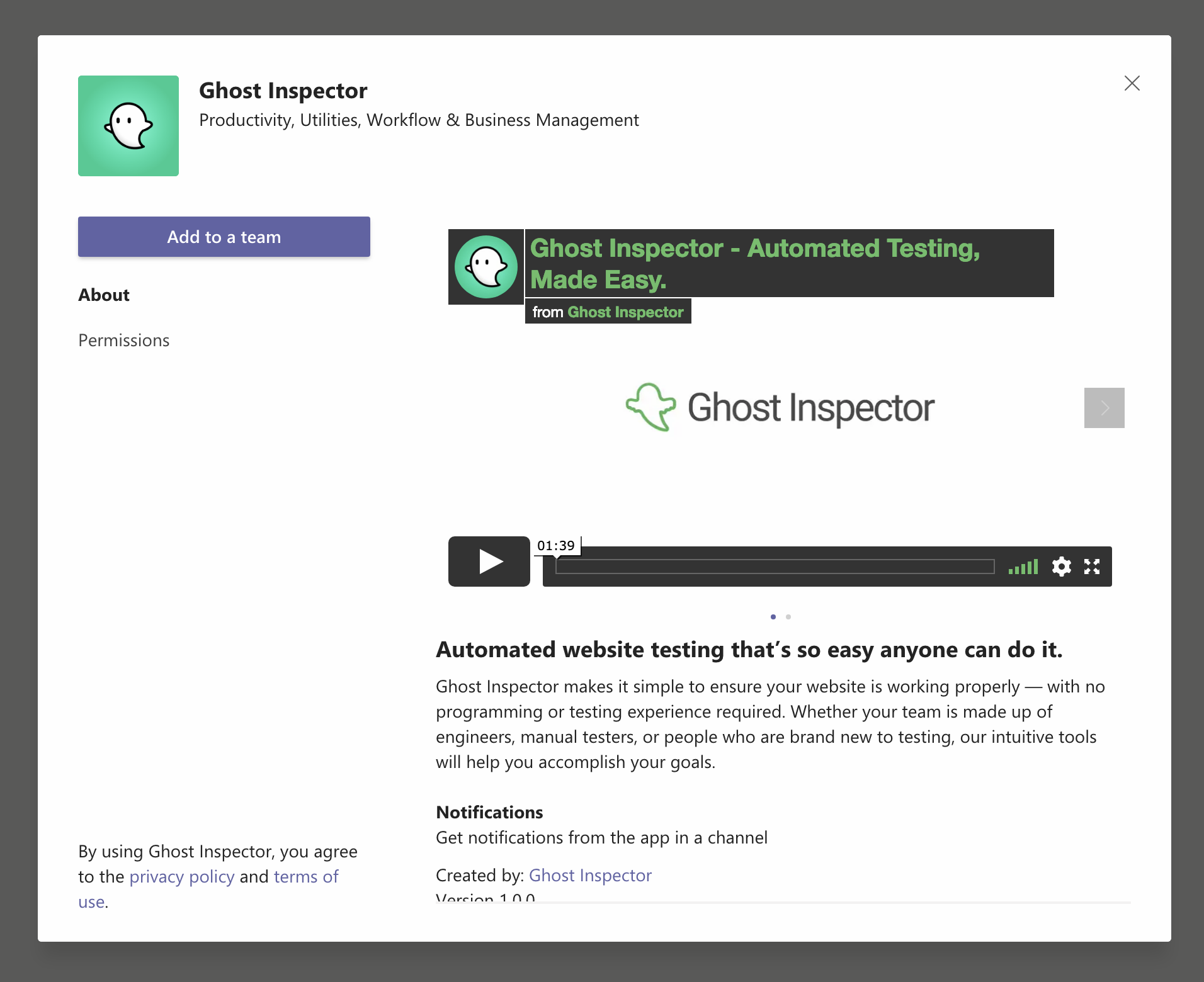
Unveiling the Power of Ghost Inspector
What is Ghost Inspector?
Ghost Inspector is a cloud-based test automation platform designed to streamline the process of creating, executing, and managing automated tests. Its user-friendly interface and robust features make it a compelling choice for teams seeking to achieve comprehensive test coverage efficiently.
Why does the tool matter?
Experienced test automation engineers understand the significance of tools that facilitate their work. The tool offers several compelling reasons to consider its adoption:
- Codeless Test Creation: The Inspector Tool allows engineers to create test scripts without the need for coding. This feature significantly reduces the time and effort required to build and maintain test suites.
- Cross-Browser Testing: Achieving cross-browser compatibility is a breeze with Ghost Inspector. It supports multiple browsers and ensures that your application performs consistently across them.
- Parallel Execution: The Inspector Tool enables parallel test execution, dramatically reducing testing time and improving efficiency, a critical consideration for teams with stringent release schedules.
- Visual Testing: Visual regression testing is vital in today’s visually rich web applications. The Inspector Tool offers pixel-by-pixel comparisons to identify even the slightest visual discrepancies.
- Integration Capabilities: The tool seamlessly integrates with popular CI/CD tools like Jenkins, CircleCI, and more, enabling continuous testing in your DevOps pipeline.
Real-World Examples of Inspector in Action
To grasp the practical applications of the tool let’s explore some real-world scenarios where experienced test automation engineers can leverage its capabilities:
Example 1: E-commerce Checkout Testing
Imagine you work for an e-commerce company, and your team needs to ensure that the checkout process functions flawlessly across different browsers and devices. The tool allows you to create automated tests that simulate user interactions, from adding items to the cart to completing the purchase. The cross-browser testing feature ensures a consistent user experience, and visual testing identifies any layout issues or discrepancies in the checkout flow.
Example 2: Regression Testing in a DevOps Pipeline
In a DevOps-driven environment, quick feedback on code changes is crucial. The tool integrates seamlessly with your CI/CD pipeline. Experienced engineers can set up automated tests to run after each code commit. If any test fails, it triggers an alert, preventing potentially faulty code from progressing further in the pipeline. This rapid feedback loop around regression testing helps maintain code quality and accelerates the development cycle.
Ghost Inspector and Selenium are both valuable tools in the realm of test automation, each with its own set of strengths. Ghost Inspector is known for its user-friendly, codeless test creation, making it accessible to those with limited coding experience. It excels in visual testing, cross-browser compatibility, and integration with CI/CD pipelines, making it an excellent choice for teams focused on user experience and efficiency. On the other hand, Selenium offers unparalleled flexibility and control for experienced developers.
It allows for more granular test scripting, making it suitable for complex scenarios and customization. However, it requires coding skills and demands more effort in script creation and maintenance. The choice between Ghost Inspector and Selenium ultimately depends on your team’s specific needs, skillset, and project requirements.
Conclusion
For seasoned test automation engineers, Ghost Inspector emerges as a valuable asset in the pursuit of efficient and reliable test automation. Its codeless test creation, cross-browser compatibility, parallel execution, visual testing, and integration capabilities cater to the specific needs of experienced professionals. As the demand for faster and more comprehensive testing continues to grow, Inspector proves its mettle in delivering superior testing outcomes. Consider incorporating Inspector into your test automation arsenal, and experience firsthand how it can elevate your testing efforts to new heights of efficiency and effectiveness.


