
Quality assurance testing is a crucial aspect of website development. The process ensures that the website meets the required standards in terms of functionality, usability, and performance. A website that has undergone thorough QA testing is more likely to attract and retain users compared to one that has not.
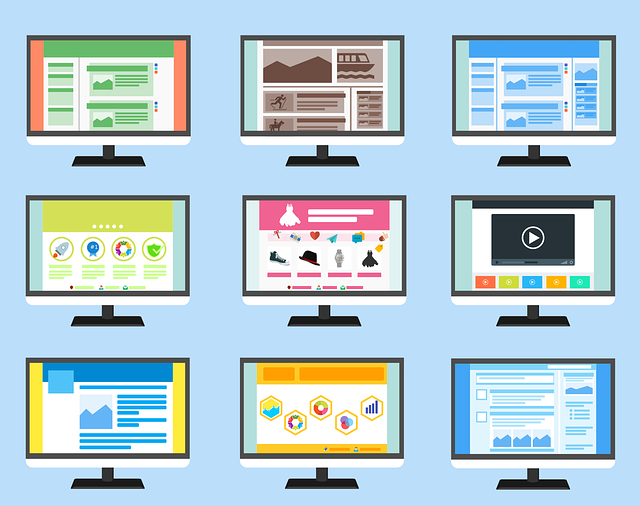
QA testing involves a series of tests that are designed to identify and eliminate any issues that may affect the performance of the website. These tests include functional testing, performance testing, security testing, and usability testing. Functional testing ensures that all the features of the website are working as intended, while performance testing checks the website’s speed and responsiveness. Security testing is done to ensure that the website is protected against potential cyber threats, while usability testing ensures that the website is user-friendly and easy to navigate.
Overall, QA testing is an essential process that ensures the quality and reliability of a website. It is important for website developers to invest in QA testing to ensure that their websites meet the required standards and provide a seamless user experience.
QA Testing Fundamentals
Understanding QA
Quality Assurance (QA) is a process that ensures that the product or service meets the desired quality standards. QA testing is a critical part of the software development life cycle, which is performed to identify and rectify the defects in the product. It is a proactive approach to prevent defects rather than detecting them after the product is released.
The QA Process
The QA process involves several steps that ensure the quality of the product. The process starts with planning and ends with the release of the product. The steps involved in the QA process are:
- Planning: In this phase, the QA team defines the scope, objectives, and requirements of the project.
- Test Case Creation: Test cases are created to test the functionality of the product. The test cases are designed to identify defects in different scenarios.
- Test Execution: In this phase, the test cases are executed to identify the defects in the product.
- Defect Reporting: The defects identified during the test execution are reported to the development team to fix them.
- Retesting: Once the defects are fixed, the QA team performs retesting to ensure that the defects are resolved.
- Release: After the product is tested and all defects are resolved, the product is released.
Tools and Techniques
QA testing can be performed using both manual and automated testing techniques. Manual testing involves testing the product manually without using any tools. Automated testing involves testing the product using automation tools like Selenium, which helps in testing the product more efficiently.
The most commonly used testing techniques are functional testing, integration testing, unit testing, regression testing, usability testing, compatibility testing, performance testing, security testing, cookie testing, accessibility testing, and website QA testing.
In addition, an automation framework can be used to automate the testing process. An automation framework is a set of guidelines and rules that are followed during the automation testing process. It helps in reducing the time required for testing and increases the efficiency of the testing process.
In conclusion, QA testing is an essential part of the software development life cycle that ensures the quality of the product. It involves several steps that ensure that the product meets the desired quality standards. The tools and techniques used in QA testing help in identifying defects in the product efficiently.
Design and User Experience
When it comes to website quality assurance testing, the design and user experience are crucial elements to consider. A website that is visually appealing, easy to navigate, and user-friendly will lead to higher user engagement and satisfaction.
UI/UX Principles
The UI/UX principles are the foundation of website design and user experience. A professional website should have a clean and organized layout, with easy-to-use navigation and clear calls to action. The structure and color scheme should be consistent throughout the website to ensure a cohesive look and feel.
Responsive Design
In today’s mobile-first world, it is essential that websites are designed with a mobile-responsive approach. A mobile-responsive design means that the website will adjust its layout and content to fit the screen size of any device it is viewed on. This ensures that users have a seamless experience, no matter what device they are using to access the website.
Accessibility Standards
Accessibility is another critical aspect of website design and user experience. Websites should be designed with accessibility standards in mind to ensure that all users, including those with disabilities, can access and use the website. This includes things like using alt tags for images, providing captions for videos, and ensuring that the website is compatible with screen readers.
Overall, a website that is designed with the user in mind, is mobile-responsive, and meets accessibility standards will lead to a more positive user experience. By adhering to these UI/UX principles, a website can be both visually appealing and easy to use, leading to higher engagement and user satisfaction.
Testing Execution and Coverage
When it comes to QA testing a website, one of the most critical aspects is testing execution and coverage. This involves ensuring that all areas of the website are tested thoroughly and that all possible scenarios are covered.
Cross-Browser Challenges
One of the biggest challenges in testing execution and coverage is cross-browser testing. With so many different browsers available, such as Chrome, Edge, Safari, and Firefox, it is essential to ensure that the website is compatible with all of them. This involves testing the website on different browsers and versions to identify any compatibility issues.
Device and Platform Testing
Another critical aspect of testing execution and coverage is device and platform testing. With so many different devices and platforms available, it is essential to ensure that the website works correctly on all of them. This involves testing the website on different devices, such as desktops, laptops, mobile phones, and tablets, as well as different platforms, such as iOS and Android.
Security and Vulnerability Checks
In addition to compatibility and functionality testing, it is also crucial to perform security and vulnerability checks. This involves testing the website for any potential security vulnerabilities, such as SQL injection or cross-site scripting, and ensuring that the website is secure and protected against potential attacks.
To ensure comprehensive testing execution and coverage, a combination of manual and automated testing methods should be used. This allows for thorough testing of all areas of the website, including devices, browsers, and security vulnerabilities. By employing these methods, QA testers can ensure that the website is functioning correctly and securely for all users.
Optimizing QA for Business Outcomes
Quality Assurance (QA) testing is a crucial component of website development that can impact business outcomes. By optimizing the QA process, businesses can ensure that their website meets customer expectations and aligns with their business goals. This section will discuss how businesses can optimize their QA process to achieve better business outcomes.
Aligning QA with Business Goals
To optimize the QA process, businesses must first align their QA goals with their overall business goals. QA testing should be complementary to the business’s process flow and should support the website’s scalability and SEO efforts. By considering the business’s goals and objectives, QA testing can be tailored to meet the specific needs of the business.
QA in the Development Lifecycle
QA testing should be integrated into the website development lifecycle from the start. By involving QA testers early on, businesses can identify potential issues and bugs before they become larger problems. This can save time and resources in the long run and can improve the customer experience. By ensuring that QA testing is an integral part of the development process, businesses can improve site quality assurance and brand reputation.
User Acceptance Testing (UAT)
User Acceptance Testing (UAT) is a critical component of the QA process. UAT involves testing the website from the end-user’s perspective to ensure that it meets their expectations. By involving real users in the testing process, businesses can identify issues that may have been missed during internal testing. UAT can improve the customer experience and can lead to better business outcomes.
In conclusion, optimizing the QA process is essential for businesses that want to improve their website’s quality and achieve better business outcomes. By aligning QA with business goals, integrating QA into the development lifecycle, and conducting UAT, businesses can ensure that their website meets customer expectations and supports their overall business objectives.