
Quality assurance metrics are essential tools for any organization that wants to ensure that its products or services meet the required standards. These metrics are used to measure the quality of products and services, and they provide valuable insights into the overall performance of an organization. Quality assurance metrics are a critical component of quality assurance (QA), which is the process of ensuring that products or services meet the desired quality standards.

QA metrics can be used to measure various aspects of quality, such as defects, customer satisfaction, and product reliability. These metrics can help organizations identify areas that need improvement and make informed decisions about how to improve their products or services. QA metrics are also used to track progress over time, which can help organizations identify trends and patterns that may indicate potential problems.
In today’s highly competitive business environment, quality is more important than ever. Customers expect products and services that meet their needs and exceed their expectations. Quality assurance metrics provide organizations with the tools they need to ensure that their products and services meet these expectations. By measuring and tracking quality, organizations can improve their products and services, increase customer satisfaction, and gain a competitive advantage in their respective markets.
Key Quality Assurance Metrics
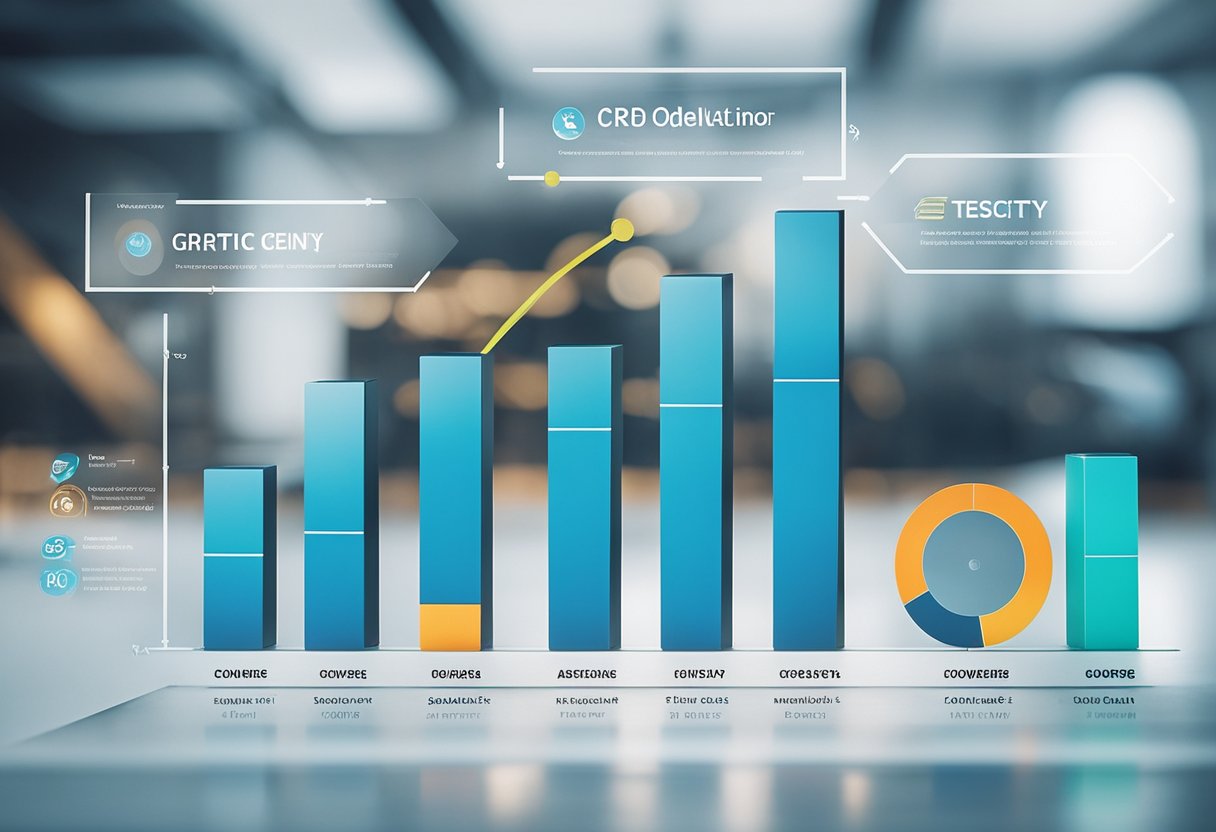
Quality assurance metrics are used to measure the effectiveness of software testing and ensure the quality of the end product. In this section, we will discuss some of the key quality assurance metrics that are commonly used in software testing.
Defect Metrics
Defect metrics are used to measure the number of defects found during testing. Defect density is a commonly used metric that measures the number of defects per unit of code. Defect distribution is another important metric that measures the distribution of defects across different modules or components of the software.
Test Coverage Metrics
Test coverage metrics are used to measure the completeness of testing. Test coverage measures the percentage of code or requirements that have been tested. Requirements coverage measures the percentage of requirements that have been tested.
Test Effectiveness Metrics
Test effectiveness metrics are used to measure the effectiveness of testing. Test cases are used to measure the number of test cases that have been executed. Defects per requirement is a metric that measures the number of defects found per requirement. Number of tests run is a metric that measures the number of tests that have been executed.
In conclusion, these key quality assurance metrics are essential for measuring the effectiveness of software testing. By using these metrics, software testers can ensure that the end product is of high quality and meets the requirements of the users.
Implementing QA Metrics in the Software Development Lifecycle
Quality Assurance (QA) metrics are essential for measuring the effectiveness of software development processes. The integration of QA metrics in the software development lifecycle (SDLC) enables teams to identify areas for improvement and optimize their workflows. Here are some key considerations for implementing QA metrics in the SDLC.
Integration with Tools and Systems
To effectively implement QA metrics in the SDLC, it is essential to integrate them with the tools and systems used in the development process. This includes project management tools, version control systems, and testing frameworks. By integrating QA metrics into these systems, teams can easily access and analyze data, identify trends, and make informed decisions.
Collaboration and Communication
Collaboration and communication are critical for successful implementation of QA metrics in the SDLC. The QA team should work closely with stakeholders and the development team to identify key metrics and establish goals. Regular communication and collaboration help ensure that everyone is aligned and working towards the same objectives.
Continuous Improvement and Training
Continuous improvement and training are essential for maintaining the effectiveness of QA metrics in the SDLC. The QA team should regularly review metrics and identify areas for improvement. They should also provide training and support to the development team to ensure that everyone understands the metrics and how to use them effectively.
By implementing QA metrics in the SDLC, teams can improve the quality of their software development processes. With the right tools and systems in place, effective collaboration and communication, and a commitment to continuous improvement and training, teams can optimize their workflows and deliver high-quality software products.
Analyzing and Reporting QA Metrics
Quality assurance metrics are essential for measuring the effectiveness of a company’s quality assurance processes. Analyzing and reporting these metrics is crucial for identifying areas of improvement and ensuring that the quality of products or services meets or exceeds customer expectations.
Data Analysis Techniques
To effectively analyze QA metrics, companies must use data analysis techniques that allow them to identify trends, patterns, and outliers. These techniques include statistical analysis, data visualization, and root cause analysis. Statistical analysis helps identify the most significant indicators of quality, while data visualization provides a clear and concise way to communicate the results to stakeholders. Root cause analysis helps identify the underlying causes of quality issues, allowing companies to take corrective action.
Reporting and Visualization
Reporting and visualization are critical components of analyzing QA metrics. Companies must create reports that provide stakeholders with a clear understanding of the metrics and how they relate to quality improvement. Reports should include benchmarks and baselines that allow companies to compare their performance to industry standards. Visualization tools such as charts, graphs, and tables help stakeholders understand the data quickly and easily.
Actionable Insights for Stakeholders
Analyzing and reporting QA metrics must provide actionable insights for stakeholders. Companies must communicate the results effectively, highlighting areas for improvement and identifying risks. The insights should be communicated clearly and concisely, ensuring that stakeholders understand the data and the implications for quality improvement. Companies must also provide stakeholders with the necessary resources to take corrective action, including training, tools, and support.
In conclusion, analyzing and reporting QA metrics is essential for quality improvement. Companies must use data analysis techniques, reporting, and visualization to identify areas for improvement and provide actionable insights for stakeholders. By communicating the results effectively and providing the necessary resources, companies can ensure that the quality of their products or services meets or exceeds customer expectations.
Setting Realistic Targets and Benchmarks
Quality assurance metrics are essential for any organization that wants to improve its competitive edge and achieve its goals. To achieve this, it is important to set realistic targets and benchmarks that are aligned with the organization’s goals and objectives. This section will discuss how to establish quality goals and benchmark against industry standards.
Establishing Quality Goals
Setting quality goals is an important step in achieving quality improvement. Goals should be specific, measurable, achievable, relevant, and time-bound. This means that they should be clear and precise, with a defined timeframe for achieving them. It is also important to ensure that the goals are relevant to the organization’s overall objectives and that they are achievable within the organization’s resources.
To establish quality goals, it is important to involve all stakeholders in the process. This includes management, employees, customers, and suppliers. By involving all stakeholders, the organization can ensure that the goals are aligned with the needs of the organization and its stakeholders.
Benchmarking Against Industry Standards
Benchmarking against industry standards is an important step in achieving quality improvement. It involves comparing the organization’s performance metrics and key performance indicators (KPIs) against industry standards to identify areas for improvement. This is very different from the BenchMark Test done for hardware and software.
Industry standards can be used as a benchmark to measure the organization’s performance against its competitors. This can help the organization identify areas where it is lagging behind and take corrective action.
When benchmarking against industry standards, it is important to ensure that the standards are relevant to the organization’s industry and that they are achievable within the organization’s resources. It is also important to ensure that the benchmarks are based on reliable data and that they are regularly updated to reflect changes in the industry.
In conclusion, setting realistic targets and benchmarks is essential for achieving quality improvement. By establishing quality goals and benchmarking against industry standards, organizations can identify areas for improvement and take corrective action to achieve their goals and objectives.