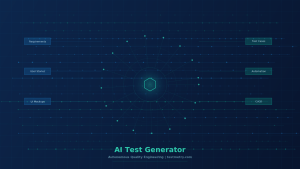
Software testing is one of the most important steps in making apps and programs work perfectly. It ensures software is reliable, fast, and meets user needs. Today, big changes are happening in how we test software, thanks to Artificial Intelligence (AI). In this article, we’ll talk about the latest QA trends, how automation testing is evolving, and why companies are moving toward AI-powered tools to keep up with the latest software testing trends.
Table of Contents
ToggleWhy Testing is Important in Tech Right Now
Technology is everywhere—in your phone, car, and even the apps you use to order food. For all these tools to work properly, they must be tested. But testing takes time and effort, especially when done manually. Companies today want faster testing methods that don’t miss any mistakes. That’s where AI steps in to improve automation testing latest trends.
The Problem with Manual Testing
Manual testing, or having humans check software for bugs, used to be the main method for ensuring quality. However, it has some big challenges:
- It’s slow: Testing every feature manually can take days or weeks.
- It’s expensive: Hiring a large team to test everything costs a lot.
- Human error: Testers can miss something, especially if they’re tired or rushed.
What Are the Latest QA Trends?
Here are some new trends in software testing that are reshaping the industry:
-
AI-Powered Automation
The biggest trend right now is using AI to automate testing. Instead of testers manually clicking buttons and filling out forms, AI tools do the job faster and more accurately. AI can also predict where bugs might happen, helping teams fix issues early.
-
Smarter Test Cases
With AI, teams can create better test cases. A test case is like a set of instructions to check if software works as expected. Instead of guessing what to test, AI analyzes user behavior and suggests the most important scenarios to test. This saves time and makes testing more effective.
-
Continuous Testing
In the past, testing was done after the software was mostly complete. Now, with latest software testing trends, testing happens continuously. As developers write code, automated systems test it in real time, ensuring bugs are caught early.
-
Accessibility Testing
Accessibility testing ensures software works for everyone, including people with disabilities. AI tools now help automate this process, checking if websites and apps are user-friendly for people using screen readers or voice commands.
-
Risk-Based Testing
AI tools can calculate the risk level of different features. For example, if a login page is high-risk because it’s used by every user, testers can focus more time there. This approach improves testing efficiency.
Latest Software Testing Trends: The Role of AI
AI isn’t just speeding up testing; it’s making it smarter. Here’s how:
- Finding Bugs Faster: AI analyzes the software to spot problems before they happen.
- Improving Test Coverage: AI makes sure every part of the software is tested, not just the most obvious features.
- Adapting to Changes: When developers update software, AI automatically adjusts test cases instead of requiring manual updates.
These new trends in software testing are helping companies launch better products faster.
Automation Testing Latest Trends: What’s New?
Automation testing is all about using tools to run tests automatically. The latest QA trends show how automation is becoming more advanced:
- Self-Healing Tests: AI fixes broken test scripts when software changes, saving teams from redoing them.
- API Testing: Automated tools now test how different parts of software communicate, ensuring everything works smoothly.
- Performance Testing: AI tools check how well software handles heavy usage, like thousands of users logging in at once.
Overcoming Challenges in Automation Testing
Switching to AI-powered testing isn’t always easy. Companies face challenges like:
- High Costs: Setting up AI tools can be expensive at first.
- Learning Curve: Teams need to learn how to use AI tools effectively.
- Resistance to Change: Some testers worry about losing their jobs to automation.
However, these challenges are being solved over time. Many companies report that once AI tools are in place, they save time and money in the long run.
Why These Trends Matter
Keeping up with new trends in software testing is crucial for companies that want to stay competitive. By adopting the latest software testing trends, businesses can:
- Launch software faster
- Reduce bugs and crashes
- Provide a better experience for users
AI doesn’t replace testers; it makes their jobs easier. By automating repetitive tasks, testers can focus on creative problem-solving and improving user experience.
What’s Next for Testing?
The future of testing is exciting. As AI gets smarter, it will continue to change how we test software. Here’s what we can expect:
- More Automation: Testing will rely even less on manual input.
- Better Tools: AI-powered tools will become more affordable and user-friendly.
- Integrated Testing: Testing will be built into every step of software development, not just at the end.
By following automation testing latest trends, companies can build better products, faster.
Final Thoughts on Latest QA Trends
AI is more than just a buzzword in software testing—it’s transforming how we work. From improving test accuracy to reducing time spent on repetitive tasks, AI is driving the latest QA trends. For businesses, adopting these latest software testing trends means better software, happier users, and long-term cost savings.
Whether you’re a student, a developer, or just curious about technology, understanding these new trends in software testing gives you a glimpse into the future of quality assurance.
Related